
Can Your Story Thrive With British Self Publishing?
This is a manuscript worthy of more than simply uploading it. Professional editing, creative designing, accurate formatting, and useful advice on publishing will ensure your finished manuscript will become a book of high standards.
Your story deserves to be published properly.
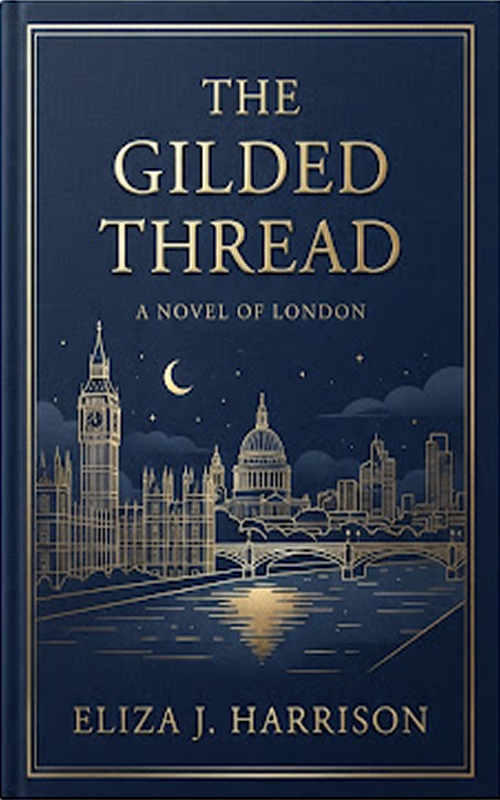
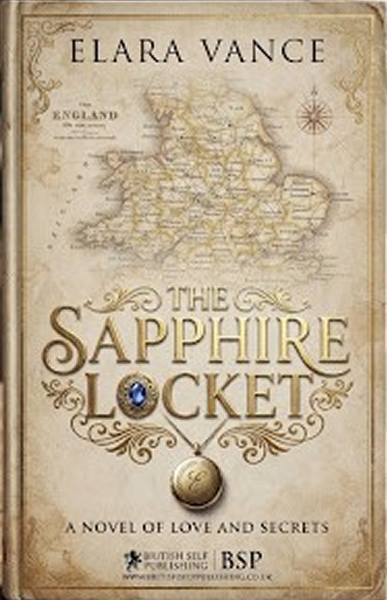

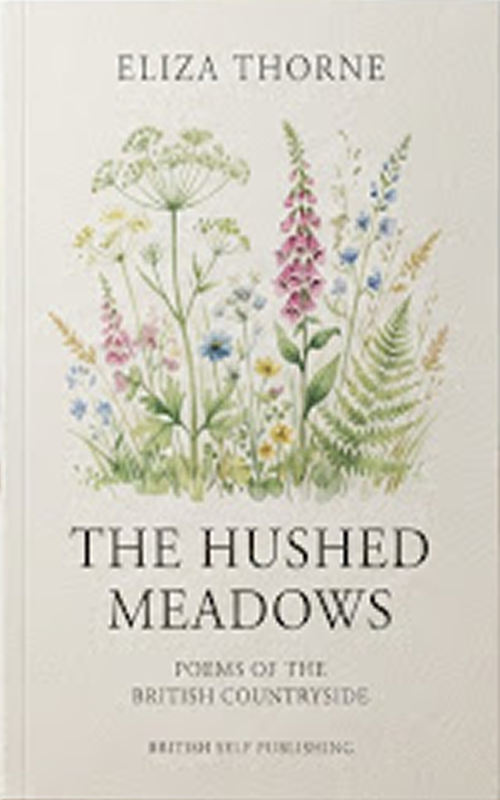


Books supported
Author-focused approach
Author book sales supported
Online assistance
We Are Not for Everyone.
We work with authors who want more than simply seeing their manuscript published. If you care about the quality of your writing, the presentation of your book, and the experience your readers receive, our approach is built around those priorities.
A finished manuscript is not always a publication-ready manuscript. Professional editorial support can uncover structural, grammatical, consistency, and readability issues before they become part of your final book.
You do not need to figure out every publishing stage yourself. We help you understand what your manuscript needs next, which services are worthwhile, and how to move towards publication without unnecessary complications.

Every manuscript evaluated line-by-line under strict non-disclosure.

Dedicated UK specialists across editing, cover art & global placement.
What Makes British Self Publishing UK a Better Choice for Independent Authors?
Independent publishing gives you control, but professional support can make that control much easier to manage. Our approach combines specialist expertise with an author-first process designed around your individual manuscript.
Your creative direction and publishing goals remain central.
Receive dedicated support across editorial, design, formatting, and publication.
Understand what is happening at every stage without unnecessary jargon.
What Can a British Self Publisher Do Before Your Book Goes Live?
The professional publishing process links the phases that occur from the time you write your final draft until your book is completed. The phases all play a part in shaping your final product.
Strengthen your writing, structure, clarity, consistency, and readability while keeping your individual authorial voice intact.
Create a cover that communicates your genre, subject, tone, and intended readership before a potential reader reaches the first page.
Build clean and professional page layouts for your chosen print and digital formats, with careful attention to typography and readability.
Prepare your book and publication information for suitable distribution and retail channels so readers have a practical way to find it.
The technical side of publishing can become overwhelming when you are trying to manage every specialist task yourself. Professional support allows you to concentrate on your book while experienced specialists handle the areas requiring technical knowledge.
British Book Publishing Services Designed Around Your Publishing Goals
Publishing a book involves considerably more than preparing a manuscript and making it available online. Authors must consider editorial quality, professional presentation, publishing formats, book identification, distribution channels and long-term ownership before releasing their work. Each decision influences how readers experience the finished publication and how easily booksellers, libraries and online retailers can identify it.
British Self Publishing provides independent authors with professional support across the essential stages of book production. Whether you have completed your first manuscript or are preparing another title for publication, the right publishing approach should reflect your book's requirements, intended readership and commercial objectives.
Unlike traditional publishing arrangements, independent publishing allows authors to retain greater control over their creative and commercial decisions. Professional assistance makes it possible to access specialist editorial and production expertise without automatically transferring ownership of the manuscript to a publishing house.
The distinction matters because authors have different expectations. A novelist might require developmental editing and a genre-specific cover, while a business author may prioritise clear formatting, professional presentation and digital distribution. A single publishing package cannot address every manuscript in exactly the same way.
A considered publishing strategy therefore begins with understanding what your book needs rather than selecting services simply because they are available.
Finding a British Self Publishing company involves evaluating more than its advertised publishing packages. Authors should understand the actual services included, the professionals responsible for production, the distribution arrangements and the ownership conditions attached to their finished books.
The UK publishing market includes several types of service providers. Some offer independent publishing platforms where authors manage their own uploads and publication settings. Others connect writers with freelance editors and designers, while assisted publishing companies coordinate multiple production stages.
Each approach has advantages, depending on the author's experience, available time and publishing requirements.
For example, an author who already has an edited manuscript, finished cover artwork and correctly formatted files might only require technical assistance with ebook conversion or print preparation. Another author may need a more comprehensive service involving manuscript evaluation, editing, proofreading, cover development and interior typesetting.
Before choosing a provider, authors should examine several important considerations:
- Editorial expertise: Does the provider distinguish between developmental editing, copy editing and proofreading?
- Production standards: Are the finished books prepared according to the technical requirements of their intended formats?
- Design capabilities: Does the design process consider the book's genre, readership and commercial positioning?
- Distribution arrangements: Which retailers and publishing platforms are supported, and who controls the publishing accounts?
- Copyright ownership: Does the author retain intellectual property rights to the original manuscript?
- Financial transparency: Are service charges, additional expenses and royalty arrangements explained clearly?
- Communication: Can authors review proofs, request agreed revisions and understand production milestones?
These considerations help distinguish a professional publishing service from a provider that simply uploads files to an online marketplace.
A reliable publishing arrangement should also make responsibilities clear. Authors remain responsible for approving their manuscripts, checking factual information and confirming that they have permission to reproduce any third-party material. Publishing professionals contribute specialist knowledge, but the author remains an essential part of the production process.
Authors who Hire British Self Publishers often want to maintain creative independence without managing every technical and editorial responsibility themselves.
Professional publishing assistance provides access to specialist skills that can be difficult to develop independently. It also creates an opportunity to identify weaknesses in a manuscript before they become permanent features of the published edition.
Editorial work should begin with an assessment of the manuscript's existing condition. A completed draft might contain structural problems, inconsistent character development, repetitive explanations, unclear arguments or grammatical errors. Different problems require different editorial approaches.
Developmental editing focuses on the overall manuscript. Fiction writers may need assistance with plot progression, character development, narrative structure and pacing. Nonfiction authors may benefit from improvements to chapter organisation, argument development, subject coverage and logical progression.
Copy editing examines language at sentence level. It addresses grammar, punctuation, word choice, consistency, readability and sentence construction while maintaining the author's intended meaning and writing style.
Proofreading takes place during the final quality-control stage. It identifies remaining spelling mistakes, punctuation errors, typographical problems and inconsistencies in the prepared publication.
Understanding these distinctions prevents authors from paying for unnecessary or overlapping editorial work.
The production stage requires similar attention. A professionally designed book cover must communicate the subject, genre and tone of the publication. Typography, imagery, colour selection and title placement all influence how the finished book appears to potential readers.
Interior formatting is equally important. Consistent headings, appropriate margins, readable typefaces, chapter openings, page numbering and paragraph spacing contribute to a comfortable reading experience.
For illustrated publications, children's books and educational titles, layout decisions may involve additional considerations. Image placement, captions, page balance and the relationship between text and illustrations must be planned carefully.
The purpose of professional assistance is not to replace the author's creative direction. It is to ensure that editorial and production decisions support the original manuscript rather than compromise it.
An Online British Self Publishing Agency can provide authors with access to publishing expertise without requiring them to coordinate multiple specialists independently.
Online publishing support is particularly useful for writers who live outside major publishing centres or have limited opportunities to attend in-person consultations.
Manuscripts, editorial comments, design concepts and production proofs can be exchanged digitally, allowing the publishing process to progress through clearly defined stages.
However, online publishing should involve more than sending a manuscript to a service provider and receiving a finished file.
A structured workflow begins with manuscript evaluation and an understanding of the author's objectives. The next stage identifies the services required, establishes production specifications and determines which publishing formats are appropriate.
Once editorial work is complete, the manuscript moves into design and formatting. Authors should have an opportunity to review relevant proofs before publication files are finalised.
Digital communication also creates a useful record of project decisions. Approved cover concepts, manuscript revisions, formatting specifications and publication details can be documented throughout production.
For international authors publishing in the UK market, online collaboration can also simplify access to British editorial conventions and publishing requirements.
British English spelling, punctuation, terminology and style preferences may differ from those used in American publications. Consistency is especially important when a book is intended for British readers, educational institutions or professional audiences.
An online publishing arrangement should therefore combine convenient communication with appropriate editorial standards, technical preparation and clear author approval procedures.
ISBN registration and copyright ownership are two separate aspects of independent publishing that authors should understand before releasing a book.
An International Standard Book Number is a unique identifier used to distinguish book publications and their editions. It helps booksellers, libraries, distributors and retailers identify and manage titles.
Different formats generally require separate ISBNs. For example, a paperback and hardcover edition of the same title require different ISBNs. A substantially revised edition may also need a new identifier. Some digital publishing platforms do not require an ISBN for ebooks.
The publisher or imprint information associated with an ISBN should also be accurate and consistent with the registration details.
In the UK, ISBN administration is handled through Nielsen ISBN Store. Authors establishing their own publishing imprint should understand how ISBN registration affects their publishing identity and future editions.
Copyright is different. Under UK copyright law, original literary works receive copyright protection automatically when the relevant legal conditions are met. Registering an ISBN does not establish copyright ownership.
Authors should also understand the distinction between owning copyright and granting distribution permissions. A retailer may receive permission to sell a book without becoming the copyright owner.
An independent publishing arrangement should clearly establish who owns the manuscript, cover artwork, interior files and other commissioned materials. The contract should also explain whether any licences or distribution permissions continue after the service arrangement ends.
British Self Publishing's stated author-first model centres on copyright retention, ownership of publication files and direct royalty arrangements. These details should be reflected accurately in the relevant project agreement.
The right printing method depends on the book's expected demand, budget, physical specifications and distribution objectives.
Print-on-demand allows individual copies to be produced when customers place orders. This reduces the need for authors to purchase and store large quantities of inventory before publication.
It can be particularly useful for first-time authors, specialist nonfiction publications and titles with uncertain or relatively low demand.
However, print-on-demand is not automatically the best option for every publishing project.
A planned print run may be more appropriate when an author requires larger quantities for events, educational distribution, direct sales or other organised sales activities. The choice can affect unit production costs, storage requirements and fulfilment arrangements.
Authors should also distinguish between online availability and physical bookshop distribution. A title appearing in a retailer's catalogue does not guarantee that a shop will purchase or display copies.
Bookshops make stocking decisions based on commercial considerations, including customer demand, retailer terms, wholesale arrangements, availability and return conditions.
This is an important distinction in the UK market. Established providers such as Troubador emphasise physical book trade relationships, warehousing and distribution, demonstrating that retail access involves more than uploading a book to a digital platform.
Troubador Publishing+1
For authors considering distribution beyond online marketplaces, the selected publishing arrangement should explain the actual channels available and whether additional trade distribution or marketing services are required.
Publishing costs vary according to manuscript length, editorial requirements, design complexity, printing specifications and the level of professional assistance required.
Authors should evaluate costs according to the work included rather than comparing headline package prices alone.
For example, a basic ebook preparation service is not equivalent to a complete publishing arrangement involving developmental editing, bespoke cover design, interior typesetting and distribution preparation.
A transparent quotation should identify individual services, applicable revisions, production specifications and any additional expenses.
Printing costs should be considered separately where relevant. Page count, trim size, paper selection, binding, colour requirements and order quantities can influence the cost of producing physical copies.
Royalties also require careful consideration.
The amount an author receives from a book sale depends on the retail price, distribution arrangements, printing expenses, retailer deductions and the royalty terms of the publishing platform.
Some self-publishing service providers charge fixed fees for professional work, while distribution platforms calculate payments according to their own royalty structures.
Authors should understand the difference between gross sales revenue, platform royalties and net earnings. Retaining 100% of royalties under a service arrangement does not mean receiving the full retail price of every sale.
For independent authors, the objective should be a publishing arrangement that makes the financial structure understandable while preserving appropriate control over their work.
Publishing should not be viewed as a single event that ends when a book becomes available online.
A well-prepared publication can become part of an author's longer-term creative and professional portfolio. Future editions may involve updated content, revised covers, additional formats or expanded distribution arrangements.
Maintaining organised manuscript files, approved artwork, final interior layouts and publication information makes these future developments easier to manage.
Professional british book publishing services uk should address the complete production requirements of a publication rather than treating each task as an isolated activity.
A manuscript passes through several connected stages before it becomes a finished book. The decisions made during editing can affect formatting, while the selected publishing format influences cover dimensions, page layout and technical file requirements.
Understanding this relationship helps prevent avoidable production problems.
Every publishing project begins with understanding the manuscript.
An initial assessment helps identify the work already completed and the improvements that may still be necessary. Some manuscripts require extensive developmental editing, while others need only copy editing or final proofreading.
Fiction, nonfiction, memoirs, biographies, academic publications and children's books also have different editorial requirements.
A memoir, for example, requires careful attention to chronology, narrative consistency and the author's personal voice. A business book may need stronger organisation, clear explanations and consistent terminology. A children's publication requires language and storytelling appropriate to its intended reading age.
Editorial preparation should reflect these differences rather than applying identical standards to every manuscript.
The cover establishes the visual identity of a publication.
Readers often encounter a book through a small digital thumbnail before seeing its printed edition. Consequently, the title, typography, colour contrast and central imagery must remain effective across different viewing sizes.
Genre conventions also influence cover development. Literary fiction, crime thrillers, romance, business publications and children's books each communicate different expectations through their visual presentation.
Print editions introduce additional technical requirements. A complete paperback cover typically includes the front cover, spine and back cover. Spine width depends on factors such as page count and paper specifications.
The finished artwork must therefore be prepared according to the printer's technical requirements.
Interior formatting transforms the edited manuscript into a structured reading experience.
A professional layout establishes consistency across chapter headings, paragraphs, page numbers, running headers, footnotes and other book elements.
Print books require particular attention to trim size, margins, gutter space, pagination and font selection. The layout must remain readable when the book is physically bound.
Ebooks have different requirements. Their layouts should accommodate different screen sizes, adjustable font settings and electronic navigation.
A fixed print PDF cannot simply be treated as a complete ebook file. Digital publications require appropriate conversion and validation to ensure that headings, chapters, images and navigation work correctly.
Digital publishing gives independent authors access to readers who prefer electronic formats.
An ebook should have a properly structured table of contents, logical heading hierarchy, readable text and appropriately displayed images. File compatibility and rendering should be checked before publication.
EPUB is a widely used reflowable ebook format, while retailers may have their own accepted file requirements.
The finished digital edition should preserve the organisation and meaning of the original manuscript while providing a comfortable reading experience across supported devices.
Print preparation involves checking the final interior and cover files against the selected printer's specifications.
Bleed, trim dimensions, image resolution, colour settings, font embedding and cover calculations can all affect the finished product.
A digital proof allows authors to review the publication before approving production. A physical proof can provide an additional opportunity to examine paper appearance, binding, cover finish and actual readability.
This stage is particularly valuable for image-heavy publications, illustrated books and titles where visual presentation is central to the reading experience.
A professionally produced book still needs accurate publication information to help readers discover it.
Metadata describes and identifies a publication across publishing platforms, retailer catalogues and distribution systems. It typically includes the title, subtitle, author name, description, ISBN, publication date, language, subject categories and relevant keywords.
Accurate metadata improves consistency and helps retailers understand how to classify a book.
Book descriptions deserve particular attention. Rather than simply repeating the manuscript's contents, an effective description communicates the subject, intended readership and central value of the publication.
For fiction, it may introduce the central conflict, setting and narrative premise without revealing major plot developments. For nonfiction, it should explain the subject, key themes and practical or intellectual value offered to readers.
Category selection also matters. An inaccurately categorised book may appear alongside publications that have little relevance to its intended audience.
Search keywords should reflect genuine reader language rather than unrelated high-volume terms. Authors should consider how readers describe the topics, genres and problems addressed by their books.
The same principle applies to an author's online presence. Consistent book information across an author website, retailer listings and promotional materials creates a clearer digital identity.
Metadata does not guarantee sales or high search rankings. Its purpose is to provide accurate, structured information that helps relevant readers and distribution platforms understand the publication.
Publishing requirements vary considerably depending on the type of book, the author's experience and the intended readership.
First-time authors often need a clearer understanding of the publishing process, particularly the differences between editorial services, production, distribution and retail availability.
Experienced writers may already have an established readership and require specific assistance with a new edition, updated manuscript, revised cover or digital publication.
Nonfiction authors frequently prioritise accuracy, structure and professional credibility. Their books may cover business, education, personal development, history, specialist knowledge or professional subjects.
Fiction writers have different considerations, including narrative consistency, genre positioning, character development and visual presentation.
Children's authors must consider age-appropriate language, illustrations, page composition and physical book specifications.
Memoir and biography writers may need particular attention to chronology, voice, permissions and the accurate presentation of personal accounts.
Academic and educational publications may require structured references, indexes, diagrams, tables and consistent technical terminology.
These differences demonstrate why publishing decisions should begin with the individual manuscript rather than a standardised production checklist.
A publishing approach that accommodates the book's subject, format and readership provides a stronger foundation for producing a professional finished publication.
Why Choose British Self Publishing Services When Every Detail Matters?
A professionally prepared book is the result of many small decisions working together. We focus on the details that influence how confidently your book reads, looks, and reaches its audience.
Improve the areas that distract from your message while preserving your natural writing style.
Bring your cover, typography, layout, spacing, and visual elements together into a consistent finished book.
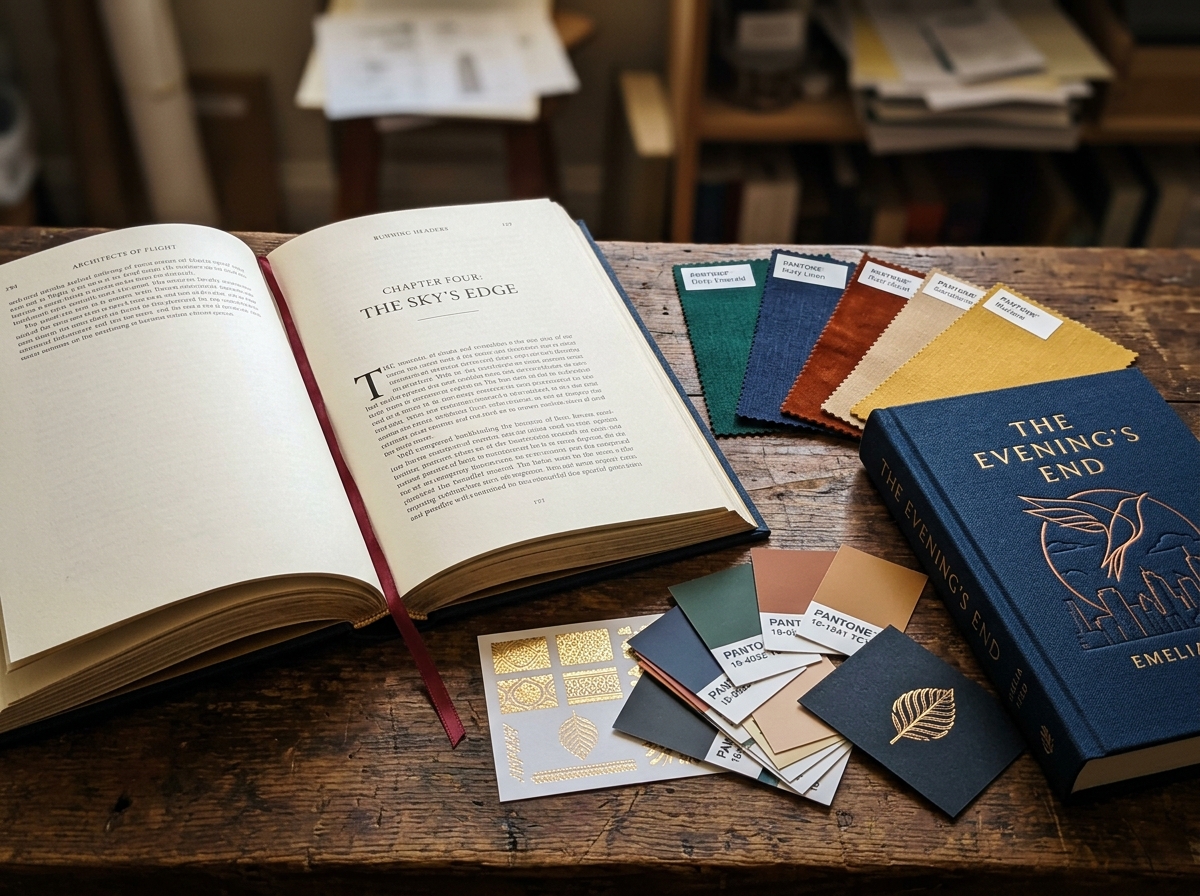
Typeset with classical margins, custom drop caps, and archival paper stock.
Core Publishing Services
Choose standalone services tailored to your manuscript or complete end-to-end publishing support.
Different manuscripts require different levels of editorial attention. Choose the support that matches your book's current stage rather than paying for work you do not need.
Examine the bigger picture of your manuscript, including structure, pacing, organisation, narrative flow, character development, and overall reader experience.
Improve grammar, sentence construction, clarity, consistency, tone, wording, and readability while protecting your individual authorial voice.
Complete the final quality check by identifying spelling, punctuation, typographical, grammatical, formatting, and consistency errors before publication.
How can your book compete for attention before readers even open it? Our cover design considers your genre, audience, title, imagery, typography, and intended market to create a professional first impression.
- Professional cover concepts
- Genre-focused design
- Print-ready artwork
Could inconsistent formatting undermine an otherwise excellent manuscript? We create clean, carefully structured interiors with appropriate typography, spacing, chapter layouts, page elements, and margins for your chosen book format.
Is your manuscript ready for a genuinely readable digital edition? We convert your content into a suitable ebook format while checking headings, chapters, images, spacing, and other elements across the digital reading experience.
How can British Self Publishing online help you move beyond the finished manuscript? We prepare your publication materials and files for appropriate distribution and retail channels, helping create a practical route between your book and its intended readers.
Is Your Manuscript Ready for Its Next Stage?
Get professional support for the publishing stages your book actually needs, whether that means editorial refinement, professional design, precise formatting, ebook preparation, or distribution assistance.
Could British Self Publishing Online Make Your Publishing Journey Simpler?
Bring the major stages together through a coordinated workflow designed around your manuscript and publishing goals.
Developmental editing, copy editing, and proofreading tailored to your manuscript.
A polished cover and carefully prepared interior that work together as one finished book.
Professionally prepared files for your selected print and digital editions.
Practical preparation and guidance for getting your finished book where your intended readers can find it.
Words From Authors Who Wanted Their Books Done Right
“I worked on my book for many years, so the process of publication deserved an equal amount of professionalism too. The result turned out to be professional without losing my personal touch.”
“The biggest reassurance for me was understanding what was going to happen next. I never felt pressured into services that were not needed, and the communication was great all the time.”
“From the initial draft to the final product, my manuscript was totally transformed in terms of writing and formatting. The difference between the two is huge.”
Frequently Asked Questions
Everything you need to know about publishing with British Self Publishing, our editorial standards, costs, and rights ownership.
Speak directly with a UK publishing consultant for a clear, obligation-free assessment.
Ask an Editorial SpecialistYour manuscript already has the most important ingredient: your story, knowledge, or ideas. Now give it the professional attention needed to turn those words into a book you can confidently share with readers.